|





MV anecdotes
 Marvel Superheroes
 Secrets of Strixhaven
 Teenage Mutant Ninja Turtles
 Lorwyn Eclipsed
 Avatar: the Last Airbender
 Spider-Man / Omenpaths
 Edge of Eternities
| 1103 anecdotes trouvées |   |
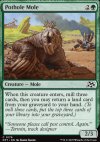
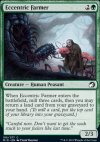
La carte Pothole Mole est une réimpression fonctionnelle de Eccentric Farmer, à part pour le type de créature.
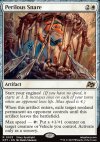
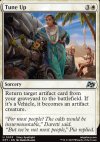
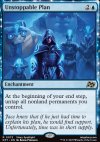
Onze cartes de l'édition Aetherdrift portent la mention Story Spotlight.
• Perilous Snare
• Tune Up
• Unstoppable Plan
• Hour of Victory
• Count on Luck
• Full Throttle
• Kickoff Celebrations
• Push the Limit
• Point the Way
• Explosive Getaway
• Avishkar Raceway
• Perilous Snare
• Tune Up
• Unstoppable Plan
• Hour of Victory
• Count on Luck
• Full Throttle
• Kickoff Celebrations
• Push the Limit
• Point the Way
• Explosive Getaway
• Avishkar Raceway
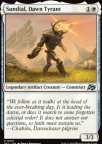
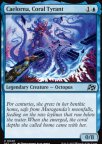
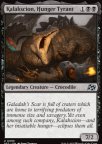
Les cinq cartes Sundial, Dawn Tyrant, Caelorna, Coral Tyrant, Kalakscion, Hunger Tyrant, Tyrox, Saurid Tyrant et Terrian, World Tyrant, de l'édition Aetherdrift, forment un cycle appelé "Tyrant" de créatures "Vanilla" (sans texte de règles) légendaires issues du Plan de Muraganda.
Chacune est représentée symboliquement (par un Pétroglyphe) sur le cercle derrière le Fang-Druid Summoner, qui permet de recruter l'une d'entre elles au choix.
Source 1 (Planes, Trains, and Automobiles - "For Muraganda, we included a handful of cards that care about vanilla creatures and a cycle of vanilla legendary creatures to play into the plane's identity.") - Source 2 - Source 3 (Maro's Aetherdrift Teaser - "• Cycle of vanilla legendary creatures")
Chacune est représentée symboliquement (par un Pétroglyphe) sur le cercle derrière le Fang-Druid Summoner, qui permet de recruter l'une d'entre elles au choix.
Source 1 (Planes, Trains, and Automobiles - "For Muraganda, we included a handful of cards that care about vanilla creatures and a cycle of vanilla legendary creatures to play into the plane's identity.") - Source 2 - Source 3 (Maro's Aetherdrift Teaser - "• Cycle of vanilla legendary creatures")
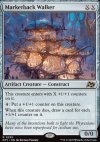
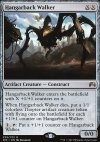
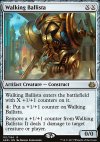
La carte Marketback Walker est une référence aux cartes Hangarback Walker et Walking Ballista de par son nom, son coût de mana, son type de créature et sa mécanique.
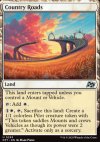
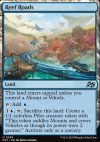
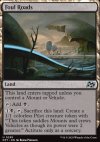
Les cinq cartes Country Roads, Reef Roads, Foul Roads, Rocky Roads et Wild Roads, de l'édition Aetherdrift, forment un cycle de terrains appelé "Roads".
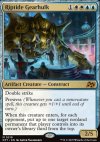
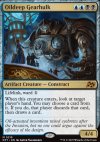
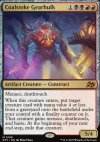
Les cinq cartes Riptide Gearhulk, Oildeep Gearhulk, Coalstoke Gearhulk, Pyrewood Gearhulk et Brightglass Gearhulk, de l'édition Aetherdrift, forment un cycle appelé "Gearhulk".
Ce cycle est inspiré d'un autre cycle paru dans l'édition Kaladesh (voir cette anecdote).
Source (Maro's Aetherdrift Teaser - "• Cycle of multicolored Gearhulks")
Ce cycle est inspiré d'un autre cycle paru dans l'édition Kaladesh (voir cette anecdote).
Source (Maro's Aetherdrift Teaser - "• Cycle of multicolored Gearhulks")
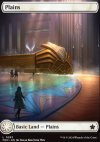
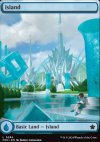
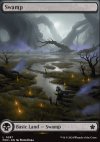
Sur les illustrations des cinq terrains de base Plains, Island, Swamp, Mountain et Forest, de l'édition Foundations, on peut apercevoir des personnages figurant dans cette même édition, à savoir respectivement Giada, Font of Hope, Zimone, Paradox Sculptor, Tinybones, Bauble Burglar, Kellan, Planar Trailblazer et Loot, Exuberant Explorer (voir aussi cette anecdote).
Source (Character Lands - "There's also a cycle of character lands featuring five non-Planeswalker characters: Giada, Zimone, Tinybones, Kellan, and Loot.")
Source (Character Lands - "There's also a cycle of character lands featuring five non-Planeswalker characters: Giada, Zimone, Tinybones, Kellan, and Loot.")
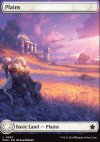
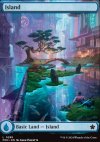
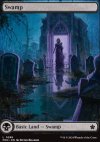
Sur les illustrations des cinq terrains de base Plains, Island, Swamp, Mountain et Forest, de l'édition Foundations, on peut apercevoir des planeswalkers figurant dans cette même édition, à savoir respectivement Ajani, Caller of the Pride, Kaito, Cunning Infiltrator, Liliana, Dreadhorde General, Chandra, Flameshaper et Vivien Reid (voir aussi cette anecdote).
Source (Character Lands - "[Planeswalkers]' adventures are highlighted on these character lands, basic lands that highlight one of five corresponding Planeswalkers.")
Source (Character Lands - "[Planeswalkers]' adventures are highlighted on these character lands, basic lands that highlight one of five corresponding Planeswalkers.")
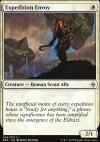
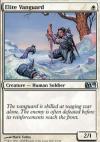
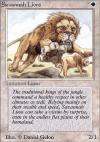
Les cartes Expedition Envoy et Elite Vanguard sont des réimpressions fonctionnelles de Savannah Lions, à part pour le type de créature.
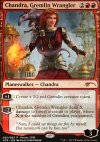
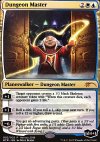

Les cartes Heroes of the Realm sont une série de cartes promotionnelles, avec un dos des cartes spécial, distribuées par Wizards à ses employés ou équipes (pouvant travailler sur d'autres produits que Magic) en signe de gratitude... :
Heroes 2016 :
• Chandra, Gremlin Wrangler
• Dungeon Master
• Nira, Hellkite Duelist
Heroes 2017 :
• Diabolical Salvation
• Inzerva, Master of Insights
• M'Odo, the Gnarled Oracle
Heroes 2018 :
• Kharis & The Beholder
• Optimus Prime, Inspiring Leader
• Sol, Advocate Eternal
• The Legend of Arena
Heroes 2019 :
• Collectigull
• Keeper of the Secret Lair
• War of the Spark
• Champions of Archery
• Myntasha, Honored One
• The Cinematic Phoenix
• Fabled Path of Searo Point
Heroes 2020 :
• Euroakus
• Mountain Mover
• The Secret Lair
Heroes 2021 :
• Andrios, Roaming Explorer
• Arteeoh, Dread Scavenger
• Byode, Inverse Sun
• Ersta, Friend to All
Heroes 2022 :
• Treizeci, Sun of Serra
• Elusen, the Giving
• Heroes of Kamigawa
• Svega, the Unconventional
• Wizard from Beyond
Heroes 2023 :
•
Source
Heroes 2016 :
• Chandra, Gremlin Wrangler
• Dungeon Master
• Nira, Hellkite Duelist
Heroes 2017 :
• Diabolical Salvation
• Inzerva, Master of Insights
• M'Odo, the Gnarled Oracle
Heroes 2018 :
• Kharis & The Beholder
• Optimus Prime, Inspiring Leader
• Sol, Advocate Eternal
• The Legend of Arena
Heroes 2019 :
• Collectigull
• Keeper of the Secret Lair
• War of the Spark
• Champions of Archery
• Myntasha, Honored One
• The Cinematic Phoenix
• Fabled Path of Searo Point
Heroes 2020 :
• Euroakus
• Mountain Mover
• The Secret Lair
Heroes 2021 :
• Andrios, Roaming Explorer
• Arteeoh, Dread Scavenger
• Byode, Inverse Sun
• Ersta, Friend to All
Heroes 2022 :
• Treizeci, Sun of Serra
• Elusen, the Giving
• Heroes of Kamigawa
• Svega, the Unconventional
• Wizard from Beyond
Heroes 2023 :
•
Source
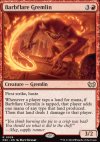
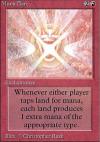
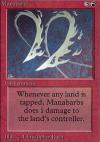
La carte Barbflare Gremlin est une référence aux cartes Mana Flare et Manabarbs, elle reprend à chacune une partie de son nom et de son effet.
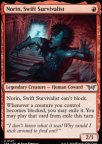
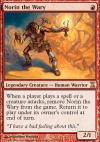
La carte Norin, Swift Survivalist est une référence à Norin the Wary de par son nom, son coût de mana, ses force et endurance et sa capacité déclenchée.
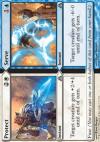
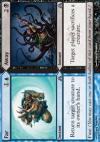
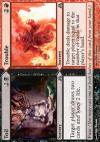
Les dix cartes Protect / Serve, Far / Away, Toil / Trouble, Armed / Dangerous, Alive / Well, Profit / Loss, Turn / Burn, Down / Dirty, Wear / Tear et Give / Take, de l'édition Dragon's Maze, forment un cycle de cartes-doubles (split cards).
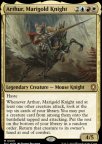
Pour réaliser l'illustration de la carte Arthur, Marigold Knight, de l'édition Bloomburrow Commander Decks, Steven Belledin s'est inspiré du tableau Officier de chasseurs à cheval de la Garde impériale, ch... par Théodore Géricault.
Source 1 : Steven Belledin (instagram.com/stevenbelledin/), le 18 juillet 2024 a écrit :
The second piece I did for Bloomburrow was called Arthur, Marigold Knight.
My first instinct was to present him leading the charge as shown in the first sketch. It felt befitting the description and the character as I understood it. I've done similar compositions to this in the past however, and I wanted to explore more options. So, I looked to art history for inspiration. I found it in the form of Gericault's “The Charging Chasseur.” And so I sketched that version, as well.
Can't explain why I drew either vertically when the card compositions are horizontal, but it felt right at the time. After all, you can always add to them digitally, which I did before handing both sketches in.
.
.
.
#stevenbelledin #sketches #inspiration #illustration #artprocess
My first instinct was to present him leading the charge as shown in the first sketch. It felt befitting the description and the character as I understood it. I've done similar compositions to this in the past however, and I wanted to explore more options. So, I looked to art history for inspiration. I found it in the form of Gericault's “The Charging Chasseur.” And so I sketched that version, as well.
Can't explain why I drew either vertically when the card compositions are horizontal, but it felt right at the time. After all, you can always add to them digitally, which I did before handing both sketches in.
.
.
.
#stevenbelledin #sketches #inspiration #illustration #artprocess
Source 2 : Steven Belledin (instagram.com/stevenbelledin/), le 19 juillet 2024 a écrit :
Arthur, Marigold Knight
For Magic: the Gathering
Oil on hardboard, sixteen inches wide by twelve inches tall.
AD: Zack Stella
As I pointed out in yesterday's post, I found inspiration in Gericault's "The Charging Chasseur," which was nice as it pushed me in a direction I likely would not have gone on my own—both in terms of gesture and palette. But that's also true of the set itself, which required me to paint these adorable little critters in the first place. I'm frankly relieved and a little surprised that I was trusted to be a part of this set owing to how often I'm asked to paint things that are either directly horror or horror adjacent. In all reality, I think I've painted enough horror stuff to last a lifetime at this point. Minimally, I was very ready to paint cute animals when this piece came along.
#stevenbelledin #illustration #mouse #oilpainting #artwork
For Magic: the Gathering
Oil on hardboard, sixteen inches wide by twelve inches tall.
AD: Zack Stella
As I pointed out in yesterday's post, I found inspiration in Gericault's "The Charging Chasseur," which was nice as it pushed me in a direction I likely would not have gone on my own—both in terms of gesture and palette. But that's also true of the set itself, which required me to paint these adorable little critters in the first place. I'm frankly relieved and a little surprised that I was trusted to be a part of this set owing to how often I'm asked to paint things that are either directly horror or horror adjacent. In all reality, I think I've painted enough horror stuff to last a lifetime at this point. Minimally, I was very ready to paint cute animals when this piece came along.
#stevenbelledin #illustration #mouse #oilpainting #artwork
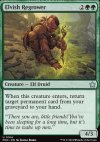
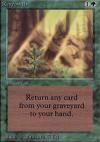
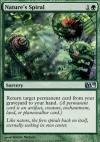
La carte Elvish Regrower est une référence à Regrowth de par son nom et sa capacité déclenchée d'arrivée, à la nuance de ne pouvoir cibler que les cartes de permanent, le modèle de base étant maintenant celui de la carte Nature's Spiral selon la color pie.

Pour réaliser l'illustration de la carte Soul Warden, de l'édition Secret Lair, Julie Bell a pris comme modèle l'artiste Winona Nelson.
Source 2
Source 1 : juliebellartist (instagram.com/juliebellartist/), le 11 juin 2024 a écrit :
The day has arrived--my MTG Secret Lair paintings are not secret anymore! Soul Warden, 36x30 inches, featuring the elegant Winona Nelson, fellow MTG artist, as my model.
This is part of the Secret Lair Summer Superdrop 2024, cards available starting Monday, June 24 at 9am Pacific to Sunday, July 14, 2024 while supplies last.
This is part of the Secret Lair Summer Superdrop 2024, cards available starting Monday, June 24 at 9am Pacific to Sunday, July 14, 2024 while supplies last.
Source 2
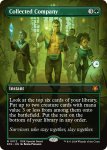
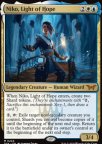

Sur l'illustration de Borja Pindado pour la carte Collected Company, de l'édition Special Guests - Duskmourn: House of Horrors, on peut apercevoir les protagonistes de la Storyline de l'édition, de gauche à droite : Niko, Light of Hope, The Wandering Rescuer, Tyvar, the Pummeler, Kaito, Bane of Nightmares et Zimone, All-Questioning.
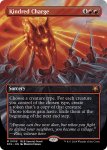
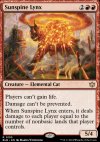
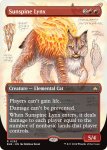
Sur l'illustration de Milivoj Ceran pour la carte Kindred Charge, de l'édition Special Guests - Bloomburrow, on peut voir un Sunspine Lynx.
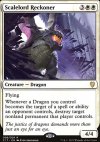
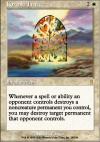
La capacité déclenchée de la carte Scalelord Reckoner est une référence à celle de la carte Karmic Justice.
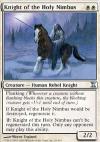
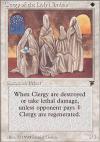
La carte Knight of the Holy Nimbus est une référence à Clergy of the Holy Nimbus de par son nom, sa mécanique et son illustration.
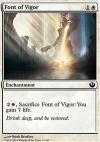
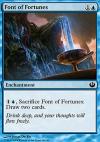
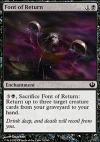
Les cinq cartes Font of Vigor, Font of Fortunes, Font of Return, Font of Ire et Font of Fertility, de l'édition Journey into Nyx, forment un cycle appelé "Font". De plus leurs textes d'ambiance se font écho.

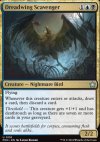
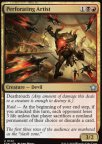
Les dix cartes Empyrean Eagle, Dreadwing Scavenger, Perforating Artist, Ruby, Daring Tracker, Good-Fortune Unicorn, Fiendish Panda, Balmor, Battlemage Captain, Wardens of the Cycle, Heroic Reinforcements et Tatyova, Benthic Druid, de l'édition Foundations, forment un cycle de sorts bicolores peu communs soutenant chacun un archétype de formats limités.
Source 1 (Foundations Draft Archetypes - "Magic sets are commonly designed around a specific strategy for each color pair. [...] For Foundations, the color pairs have been distilled into their most recognizable forms. [...] Each color [pair] has a "signpost uncommon," which is a two-color card that plays into its color pair's specific strategy. [...]") - Source 2 - Source 3 ("Draft, as an example, had a big influence on the uncommon gold cards that model Draft archetypes")
Source 1 (Foundations Draft Archetypes - "Magic sets are commonly designed around a specific strategy for each color pair. [...] For Foundations, the color pairs have been distilled into their most recognizable forms. [...] Each color [pair] has a "signpost uncommon," which is a two-color card that plays into its color pair's specific strategy. [...]") - Source 2 - Source 3 ("Draft, as an example, had a big influence on the uncommon gold cards that model Draft archetypes")
Source 1 a écrit :
If you're curious about what those archetypes are, you can find them all here alongside some key cards to look out for.
White-Blue Flying
Falcons, faeries, and feathered folk of all forms are the faces of the flying deck. Fliers are an easy way to get damage past your opponent's creatures, so focus on aggressive creatures that can close out the game. A card like Healer's Hawk may look innocuous, but a one-mana flier that gains life is just what this deck needs.
Blue-Black Graveyard
Just because something has gone to the graveyard doesn't mean it's gone for good. Sometimes, dead is better when you're playing blue-black. Churn through your deck as you draw and discard cards. Then, utilize those cards you discarded with creatures like Dreadwing Scavenger or Soul-Shackled Zombie.
Black-Red Raid
Charge! Barrel down on your foes with an unstoppable horde of red and black creatures. Several cards in this color pair have the raid ability word, which cares about if you've attacked this turn. This is one of the most aggressive decks in Foundations, so keep an eye out for cards that can clear a path forward like Gorehorn Raider.
Red-Green Power
Harness unlimited power with this aggressive color pair. This archetype wants you to control creatures with a power of 4 or greater. While some cards might not have that much power, they may be able to buff another creature or make you a large token, such as Dragon Trainer.
Green-White +1/+1 Counters
Just because a creature is small doesn't mean it will stay that way. Anything can become a massive threat as green-white builds up its creatures with counters. Low-power creatures with useful abilities, such as trample on Beast-Kin Ranger, can hit hard with a stack of counters on them.
White-Black Life Gain
Not only does life gain help you outlast your opponents for long enough to cast massive creatures, but it can also be spun into a defensive tool. Several cards care about when you gain life, so a card like Dazzling Angel can trigger Fiendish Panda's ability.
Blue-Red Spells
This deck spells defeat for your opponent. Commonly referred to as a "spellslinger deck," this strategy cares about casting several instant and sorcery spells on a single turn. Some of those spells can even be cast from your graveyard. Inspiration from Beyond can be cast twice, each time returning another card and enabling powerful turns.
Black-Green Morbid
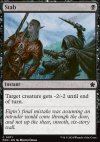
Live, die, and repeat in the black-green morbid deck. Cards with the morbid ability word care if any creature has died, whether it was your creature on an opponent's creature. You can remove an opponent's creature with the concisely named Stab, then use that creature's death to trigger Wardens of the Cycle.
Red-White Aggro
Play fast, do smash, and have a blast at your local Prerelease. Rather than working toward a singular, massive creature, this deck wants you to create a large board of small creature tokens, then buff them up with large anthems. Cat Collector will continue to procure purring pals, then give them a massive boost with Heroic Reinforcements.
Green-Blue Ramp
Mana is the backbone of Magic, and green-blue decks understand this better than anyone else. Playing out more lands allows you to cast massive creatures while also triggering effects that care about lands entering. Tatyova, Benthic Druid will swim through your deck and dive down for powerful cards. Combine her with Grow from the Ashes for a card-drawing, land-ramping, game-winning deck.
White-Blue Flying
Falcons, faeries, and feathered folk of all forms are the faces of the flying deck. Fliers are an easy way to get damage past your opponent's creatures, so focus on aggressive creatures that can close out the game. A card like Healer's Hawk may look innocuous, but a one-mana flier that gains life is just what this deck needs.
Blue-Black Graveyard
Just because something has gone to the graveyard doesn't mean it's gone for good. Sometimes, dead is better when you're playing blue-black. Churn through your deck as you draw and discard cards. Then, utilize those cards you discarded with creatures like Dreadwing Scavenger or Soul-Shackled Zombie.
Black-Red Raid
Charge! Barrel down on your foes with an unstoppable horde of red and black creatures. Several cards in this color pair have the raid ability word, which cares about if you've attacked this turn. This is one of the most aggressive decks in Foundations, so keep an eye out for cards that can clear a path forward like Gorehorn Raider.
Red-Green Power
Harness unlimited power with this aggressive color pair. This archetype wants you to control creatures with a power of 4 or greater. While some cards might not have that much power, they may be able to buff another creature or make you a large token, such as Dragon Trainer.
Green-White +1/+1 Counters
Just because a creature is small doesn't mean it will stay that way. Anything can become a massive threat as green-white builds up its creatures with counters. Low-power creatures with useful abilities, such as trample on Beast-Kin Ranger, can hit hard with a stack of counters on them.
White-Black Life Gain
Not only does life gain help you outlast your opponents for long enough to cast massive creatures, but it can also be spun into a defensive tool. Several cards care about when you gain life, so a card like Dazzling Angel can trigger Fiendish Panda's ability.
Blue-Red Spells
This deck spells defeat for your opponent. Commonly referred to as a "spellslinger deck," this strategy cares about casting several instant and sorcery spells on a single turn. Some of those spells can even be cast from your graveyard. Inspiration from Beyond can be cast twice, each time returning another card and enabling powerful turns.
Black-Green Morbid
Live, die, and repeat in the black-green morbid deck. Cards with the morbid ability word care if any creature has died, whether it was your creature on an opponent's creature. You can remove an opponent's creature with the concisely named Stab, then use that creature's death to trigger Wardens of the Cycle.
Red-White Aggro
Play fast, do smash, and have a blast at your local Prerelease. Rather than working toward a singular, massive creature, this deck wants you to create a large board of small creature tokens, then buff them up with large anthems. Cat Collector will continue to procure purring pals, then give them a massive boost with Heroic Reinforcements.
Green-Blue Ramp
Mana is the backbone of Magic, and green-blue decks understand this better than anyone else. Playing out more lands allows you to cast massive creatures while also triggering effects that care about lands entering. Tatyova, Benthic Druid will swim through your deck and dive down for powerful cards. Combine her with Grow from the Ashes for a card-drawing, land-ramping, game-winning deck.
Source 2, le novembre 10, 2024 a écrit :
pontemosca a demandé:
Hi Mark, Why does Foundations has one signpost gold uncommon instead of two?
We made sure Foundations was draftable, because all our booster product is draftable, but Foundations is about much more than just drafting. Drafting is a lower priority.
Hi Mark, Why does Foundations has one signpost gold uncommon instead of two?
We made sure Foundations was draftable, because all our booster product is draftable, but Foundations is about much more than just drafting. Drafting is a lower priority.
| 1103 anecdotes trouvées | |